Pitch Deck GuideProblem Slide

Problem Slide

Learn how to build a winning problem slide for your pitch deck with this step-by-step guide.

Updated: Feb 2026
Table of Contents
  1. What is a problem slide?
  2. How to create a problem slide
  3. Examples of real problem slides

Prefer watching over reading? Watch the video below for a guided tutorial from a VC-backed founder.

Every successful startup solves a critical problem for a large market. Instagram solved online social photo sharing. Canva made design tools friendly. Brex was the first to make corporate cards accessible to startups.

Specifically, VCs are interested in companies that solve a billion-dollar problem. For a company to be venture-scale, it should a) solve a critical problem that people are willing to pay to fix, and b) that problem should affect a large enough prospective customer base to represent a multi-billion-dollar figure total addressable market (TAM).

Founders in certain industries like food and beverage, entertainment, or real estate may not necessarily be “solving a problem” perse, and instead will frame this as an “opportunity” slide focusing on filling a gap in the market or capitalizing on a shift in consumer behavior.

A compelling, relatable problem slide is the linchpin of a winning pitch deck, and should tie closely to the solution and market slides which typically appear in close succession in most pitches.

Ready-made Pitch Deck for Startups - Brutalist PowerPoint Design Template

Use our proven pitch deck template, crafted by the pros.

Instructions

How to create a problem slide for your pitch deck

Follow along with this brief guide for what you should include in your pitch deck’s problem slide:
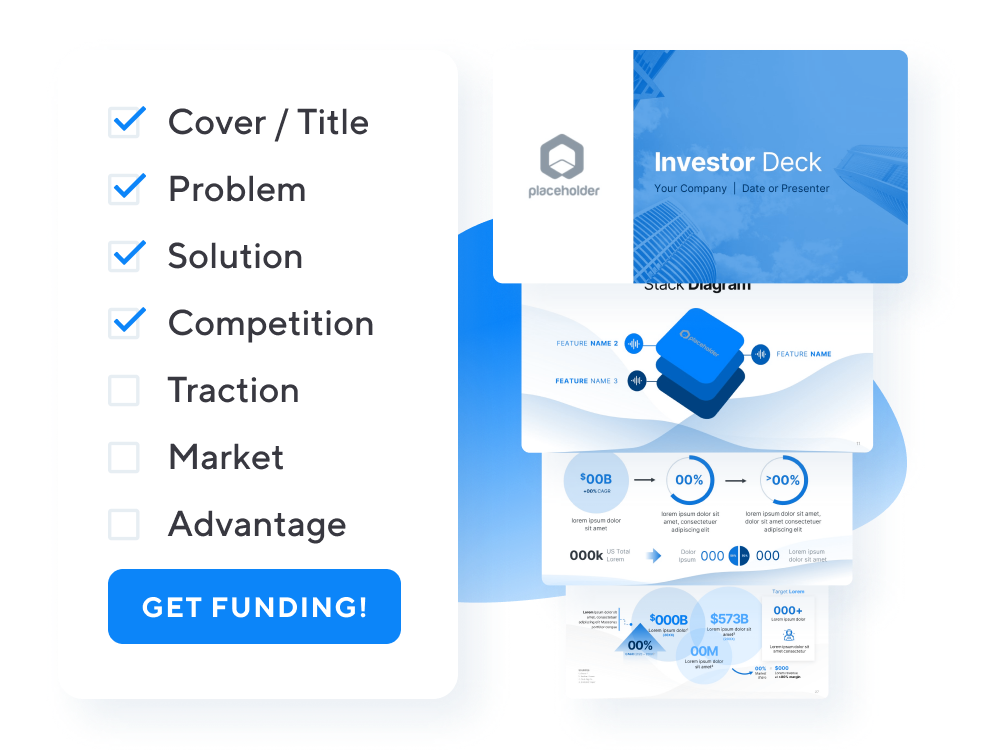

Pitch Deck Guide: Contents of Great Slides

1. Content of the problem slide

  • 1-2 sentence, easy-to-grasp description of the problem you solve
  • Be sure to include who this problem affects (target users)
  • (Optional) shortlist of the key pain points
  • Any relevant statistics to showcase the impact and prevalence of said problem
Pitch Deck Guide: Key Questions to Address for Great Slides

2. Questions the problem slide should address

  • What is the problem or opportunity your startup addresses?
  • Who does it affect? Is this a big enough problem to be worth solving?
  • Why does this problem exist?
  • How do people currently (attempt to) solve this problem?
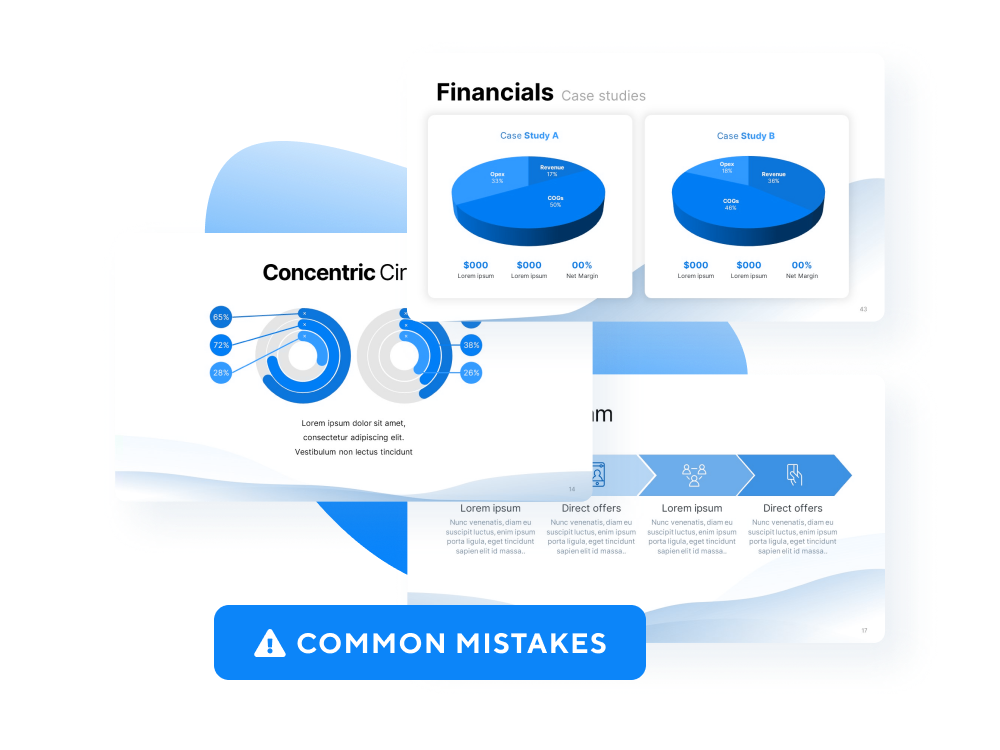
Pitch Deck Guide: Common Mistakes to Avoid

3. Common problem slide blunders

  • Explaining the problem in terms that are hard to understand or relate to
  • Using jargon or technical terms where simple words would suffice
  • Addressing a problem or opportunity that is too small
  • Solving a problem that users don’t already spend money to solve
  • Jumping ahead to the solution or target users
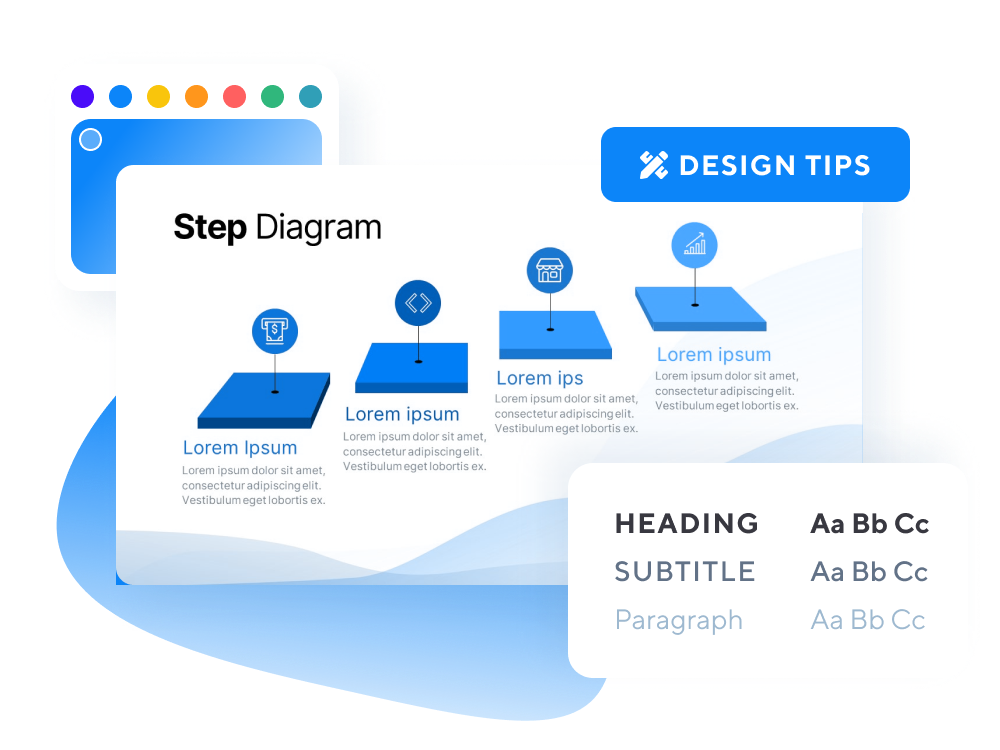
Pitch Deck Guide: Design Tips for Great Slides

4. Design tips for problem slides

  • Use no more than <250 characters text
  • Choose clear, readable fonts and colors
  • Avoid jargon and replace with simple terms (ELI5: explain like I’m five)
  • Keep it concise & to-the-point (see Guy Kawasaki‘s 10/20/30 rule)
Inspiration from the experts

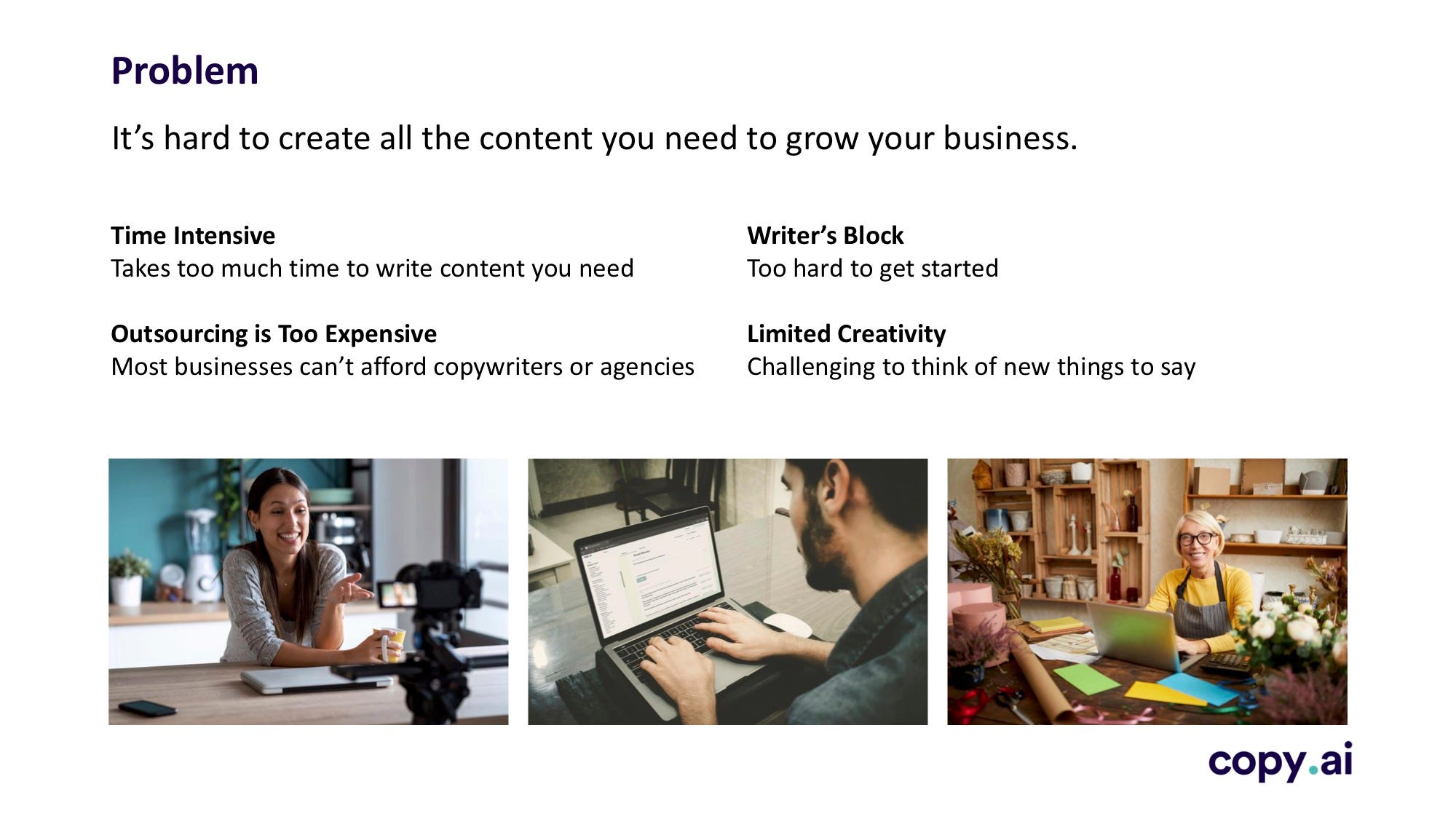
Example pitch deck problem slides from Airbnb, Uber, Copy.ai & more

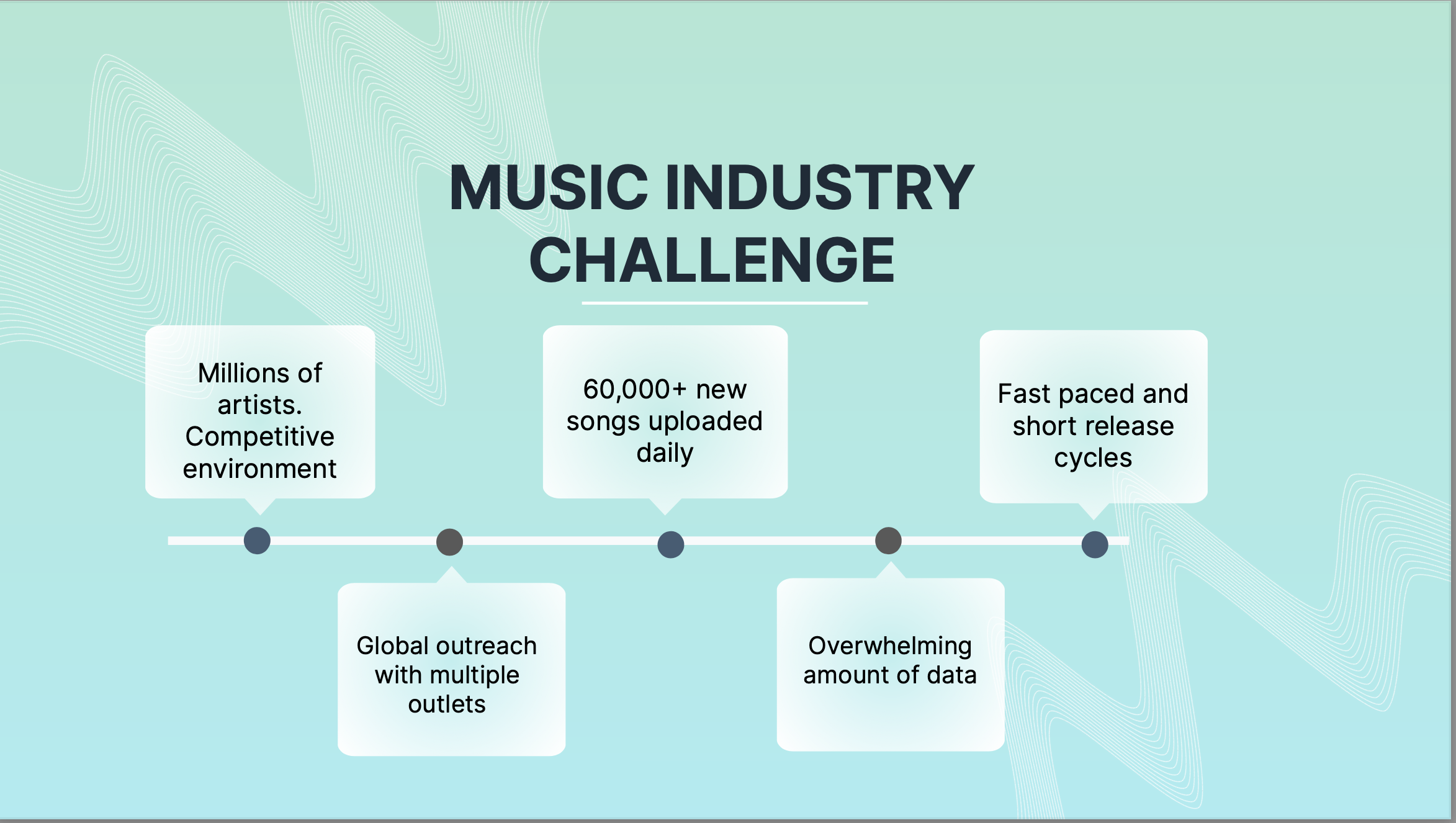
The best problem slides explain a relatable and widespread problem in terms that anyone could understand. This slide should convey a deep understanding of your customers pain points and how existing solutions fail.

The key is to present the problem in a way your audience can easily relate to & understand. Everything should be explained in the simplest possible term. Using visuals such as infographics to spotlight data points that convey your message is a fantastic approach.

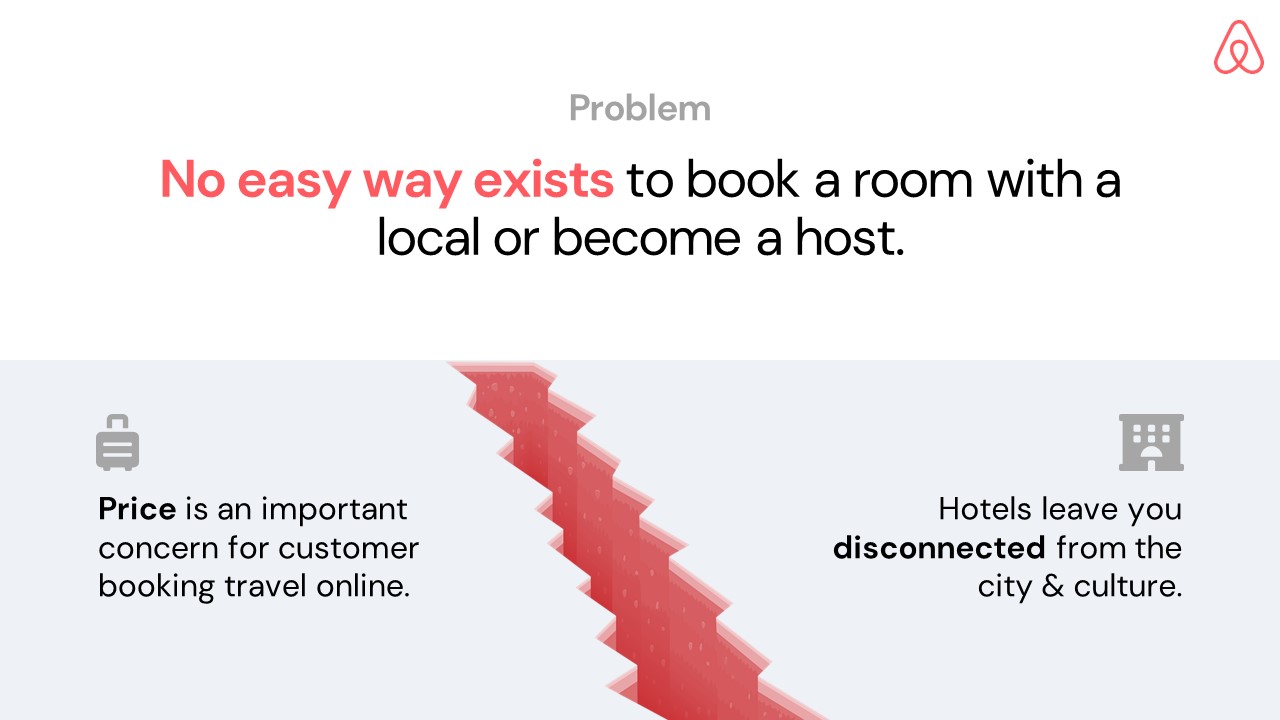
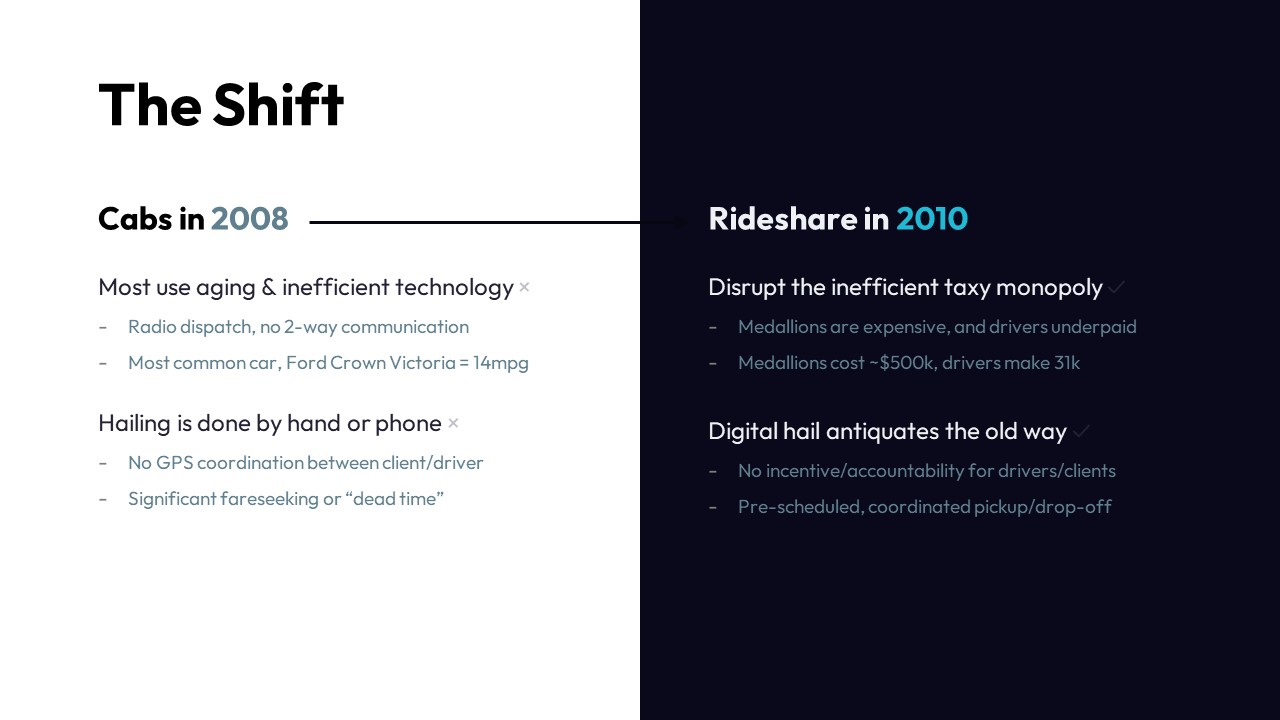
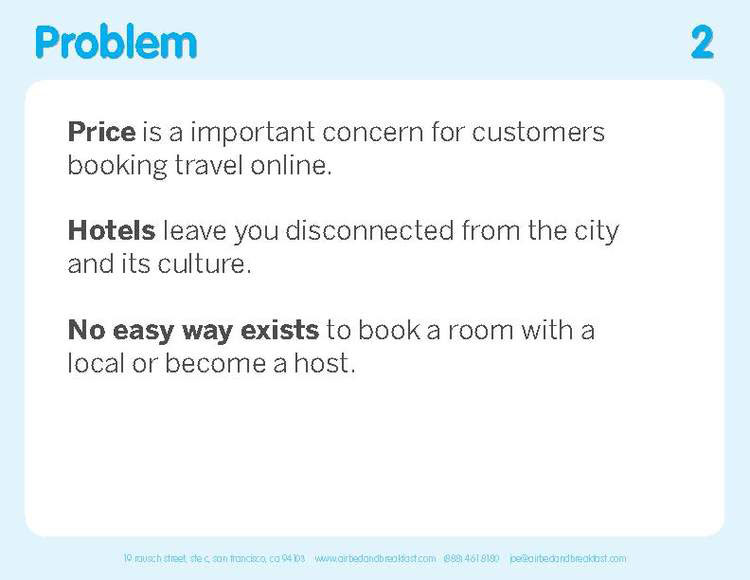
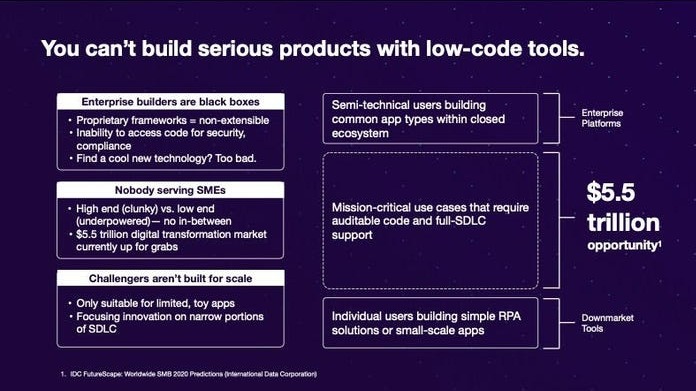
Most problem slides focus around a brief one-sentence statement that describes the key problem the startup solves. Below are some examples of winning problem slides from pitch decks for household names like Airbnb, Uber, and Sequoia Capital:
Crunchbase Problem Slide: In their $30M Series C presentation, Crunchbase presented one of the most elegant yet simple problem slides I’ve seen, with a beautiful gap diagram and two succinct text blocks.

PhageLab Problem Slide: In this $11M Series A pitch deck, the biotech startup uses two graphs to show both the scale/volume of the antibiotic resistance problem, and the fact that it is growing exponentially.

Aircall Problem Slide: The cloud-based call center SaaS startup highlighted a gap in the market by drawing analogies to other verticals like Email, Chat, and Docs. Aircall raised $65M in Series C funding with this pitch.

Forethought Problem Slide: The customer service SaaS startup began their $65M Series C pitch by talking about the “Cost of Bad Customer Service,” both in terms of total impact and the probability of unwanted outcomes.

Pathlight Problem Slide: A picture is worth a thousand words, and this slide demonstrates just that with a simple screenshot showing how management is scattered across thousands of tabs and cloud-based tools.

Artisan AI Problem Slide: The “AI employee” company raised an $11.5M seed round with this pitch, which sets their sights on disrupting B2B SaaS.

Pitch.com Problem Slide: The presentation software company took a similar approach to the earlier Pathlight and Aircall examples, listing the fragmented tools their customers currently rely upon.

Gable Problem Slide: In their $16M Series A deck, Gable dives deep into the workflows and pain points affecting customer groups today, demonstrating that “how it’s done today” is inefficient.

Axle Health Problem Slide: The healthcare startup keeps it simple: sdhowing how clinicians waste $45B on non-clinical activities, with a nice stacked bar graph visualizing how this takes up “more than half of their workday.”

Ready to build your pitch deck?

Build your investor presentation with the pitch deck template created by the experts who have helped raise billions for top startups and Fortune 100 companies – trusted by hundreds of founders.


Download Now

Cover Slide

Problem Slide

Solution Slide

Market Slide

Competition Slide

Traction Slide

Business Model Slide

Team Slide

Financials Slide

Investment Ask Slide

Roadmap Slide

Contact Slide

Target Slide

Product Slide

Go-to-Market Slide